Naomi Nakamura Hospitalized? The Johnny Sins Viral Hoax

The Narrative
In recent weeks, a sensational story has crossed regional digital borders, appearing on various “news” and “lifestyle” social media pages. The claim states that a 19-year-old Indonesian adult content creator named Naomi Nakamura was hospitalised following a collaboration with industry veteran Johnny Sins.
The posts suggest a mysterious “incident” during filming, leaving the young woman under medical care. However, our investigation at Biasbreak.com confirms that this is not a news report — it is a sophisticated engagement bait campaign using AI-generated imagery.
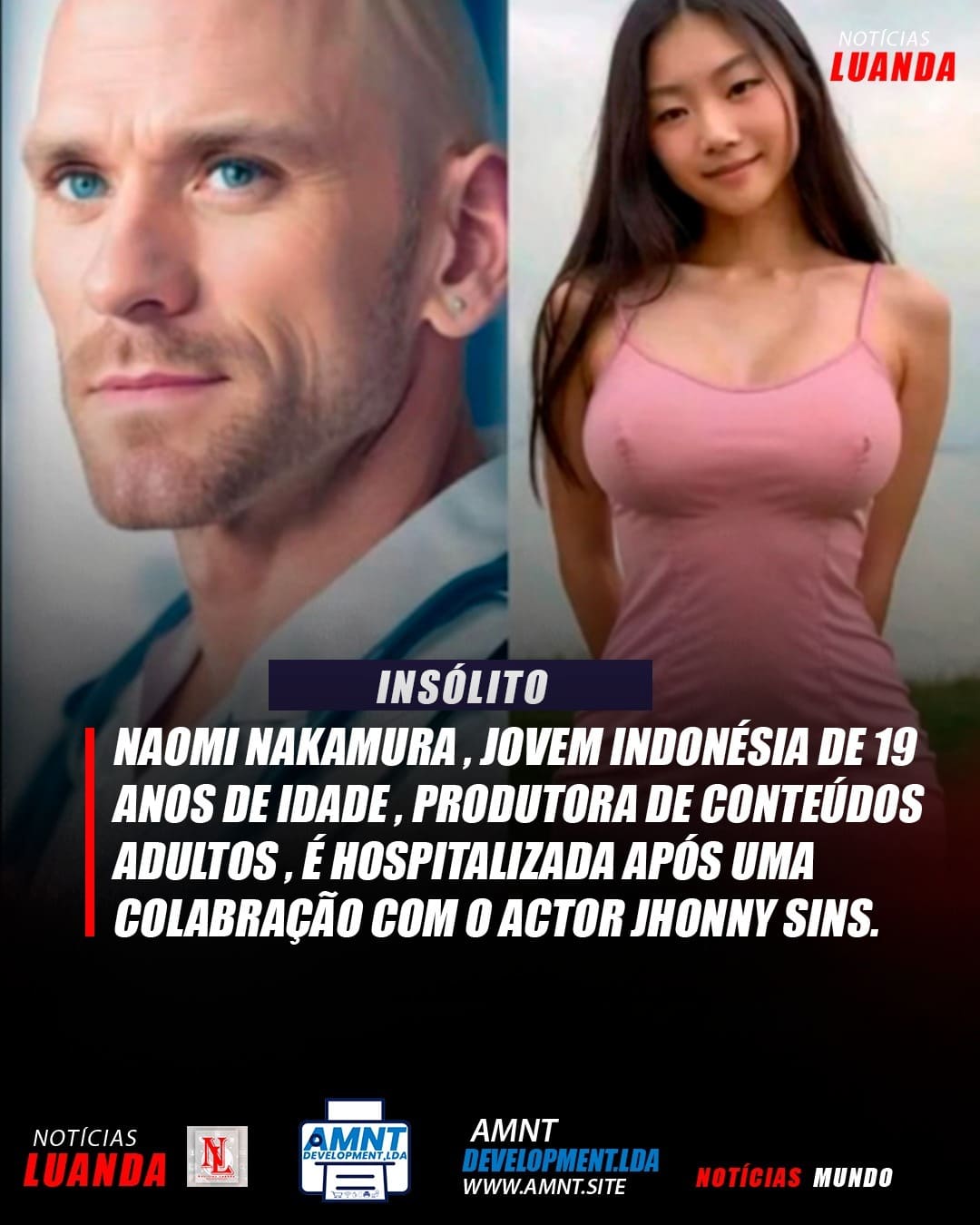 Image 1 — Glamour shot (origin post)
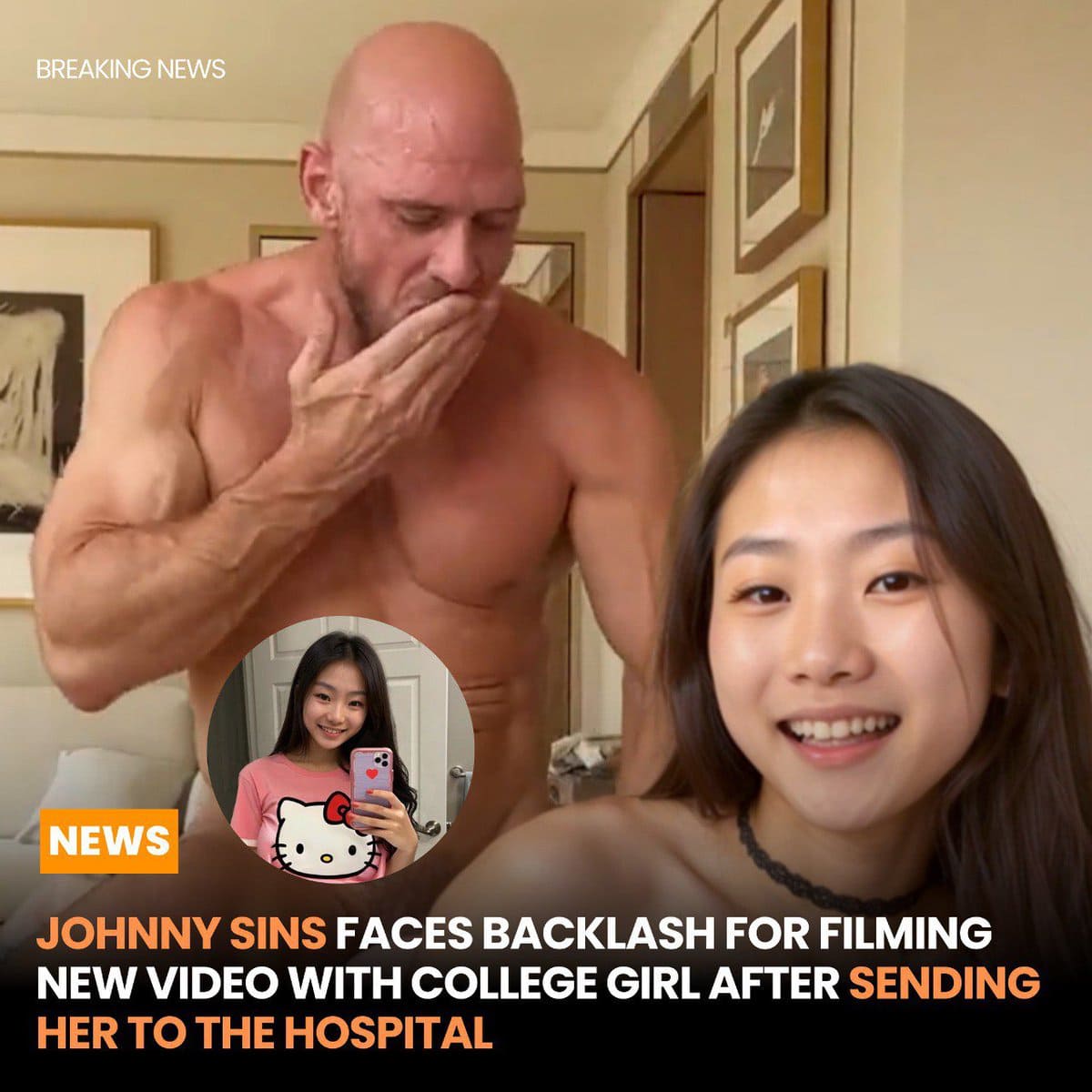 Image 2
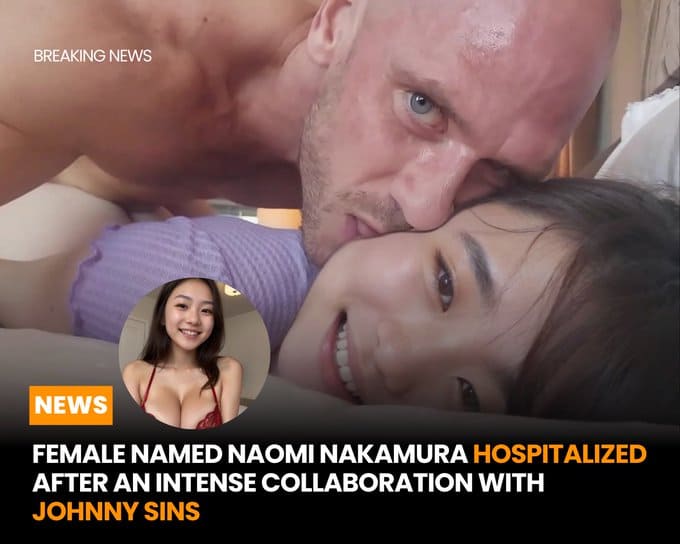 Image 3
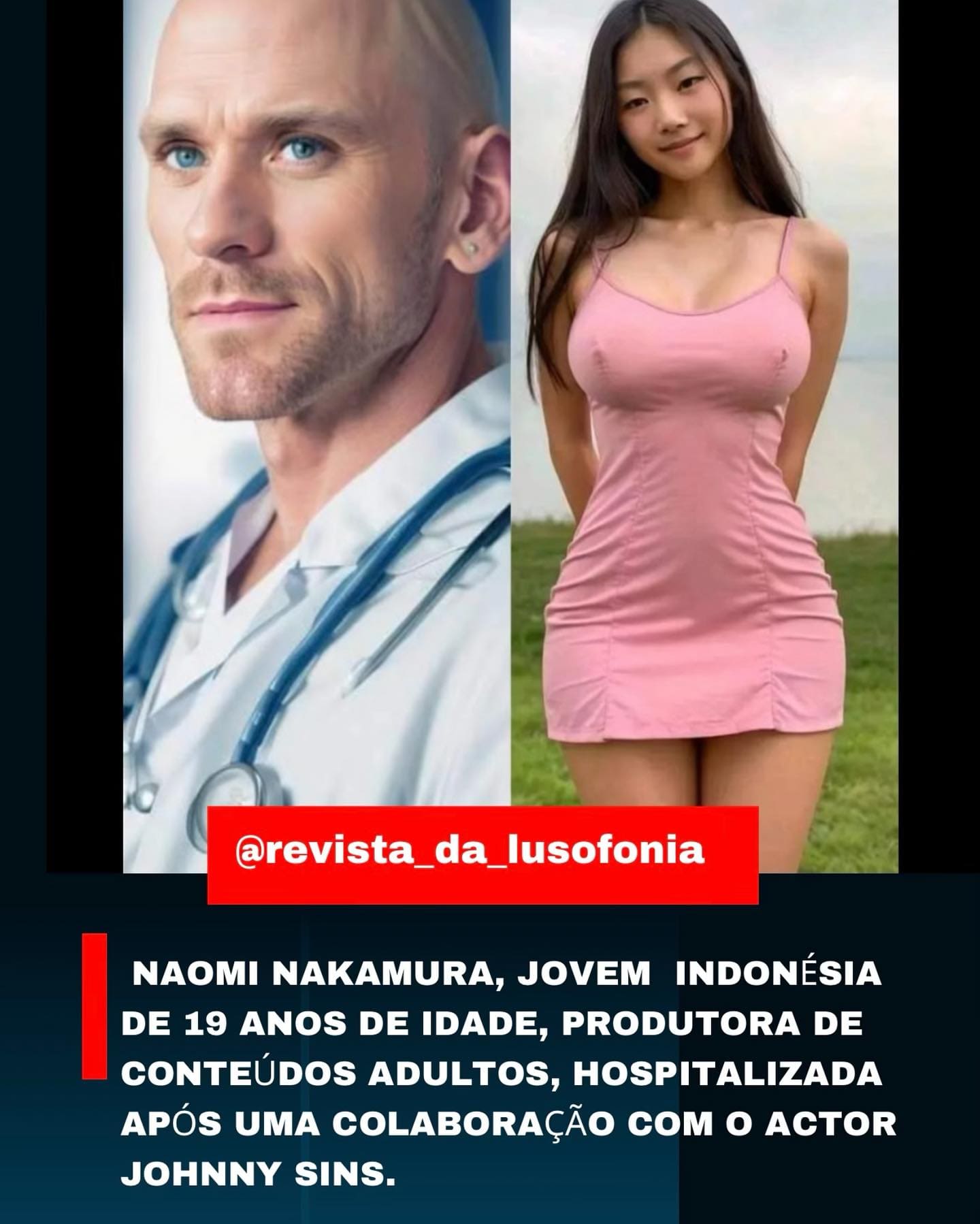 Image 4 — Hospital context
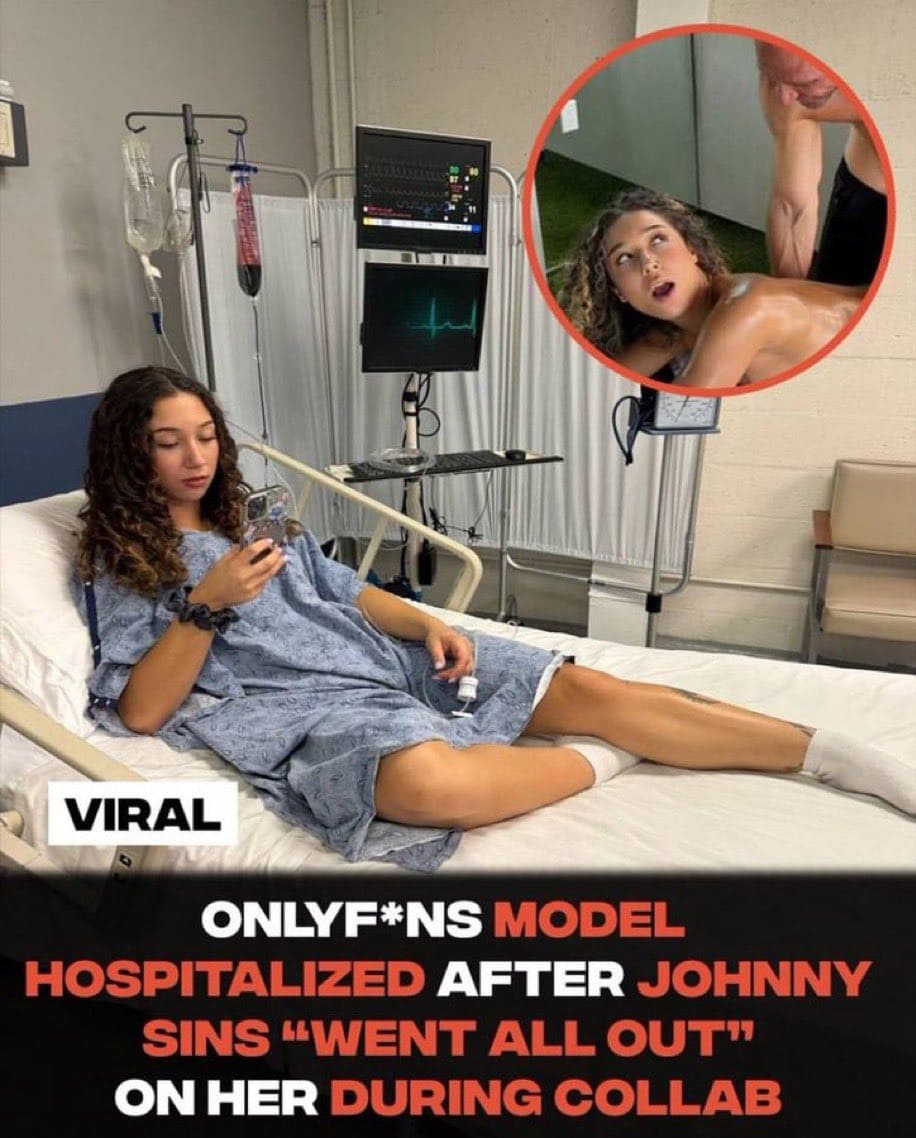 Image 5 — Nasal cannula glitch
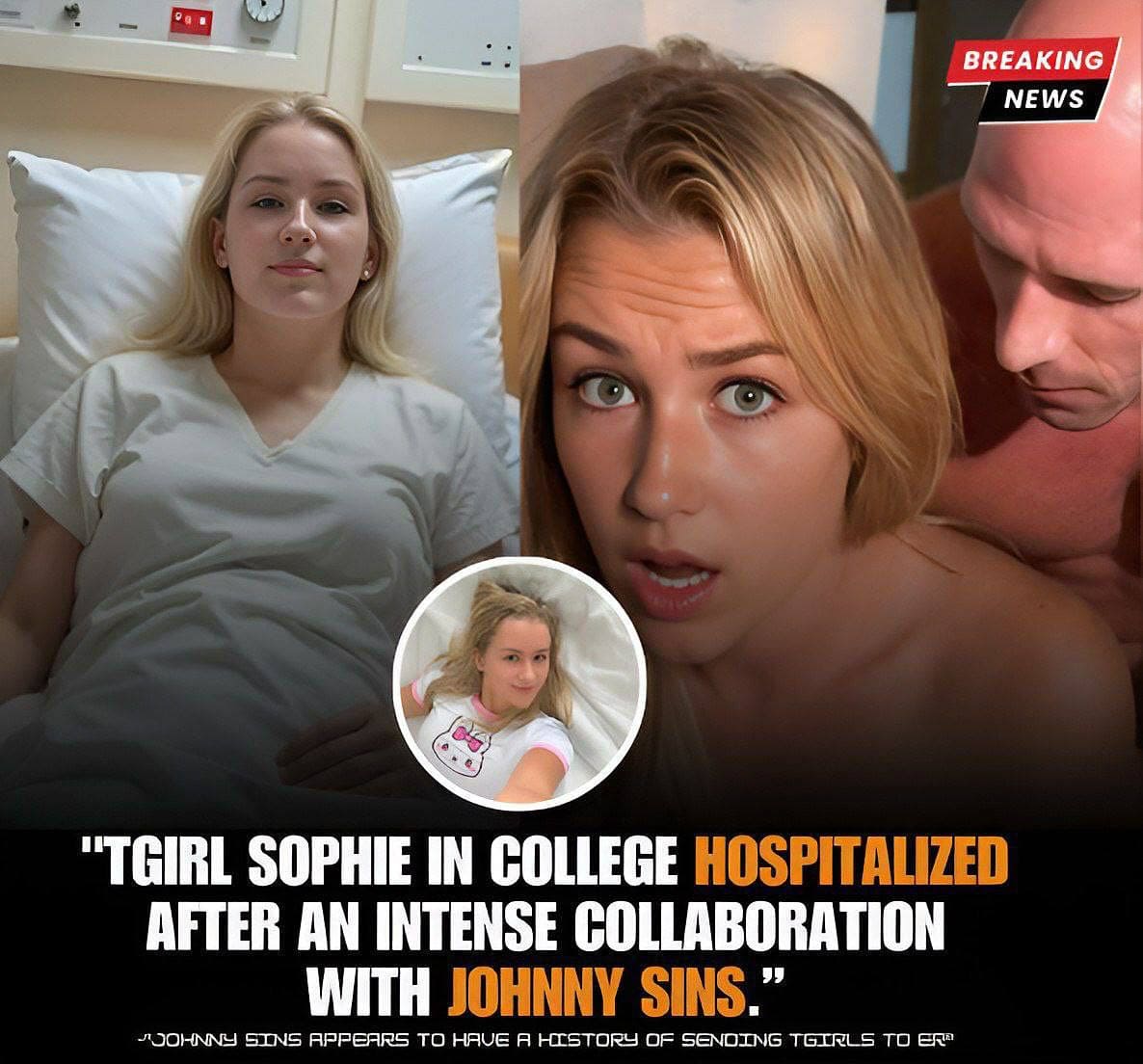 Image 6 — Iris & earlobe inconsistency
 Image 7
Forensic Breakdown
1. The “Ghost” Persona
Extensive searches through industry databases, verified social media platforms, and Indonesian public records yield zero results for a “Naomi Nakamura” in this professional context.
The name is statistically generic, designed to sound authentic to a global audience while remaining impossible to verify. By pairing a non-existent person with a globally recognised figure (Johnny Sins), the hoax gains immediate traction through fame by association.
“Naomi Nakamura” has no TikTok, no X (Twitter), no LinkedIn, and no professional credits anywhere. She exists only within these seven images.
2. Visual Analysis: The AI Smoking Gun
Our pixel-level analysis of all seven images reveals clear hallmarks of Generative Artificial Intelligence and raises the question of whether AI can detect bias better than humans can in the first place:
| Image Category | Flaws Identified |
|---|---|
| Medical Context | Hospital equipment in Images 4, 5, and 6 lacks branding, specific wiring, or realistic medical interfaces. Lighting is “too perfect,” producing a cinematic, waxy sheen on the patient’s skin. Monitors display glowing blobs rather than actual heart-rate data. |
| Nasal Cannula | In Image 5, oxygen tubing appears to blend directly into the subject’s skin rather than resting on it — physically impossible in reality. |
| Anatomical Inconsistency | Subtle shifts in facial structure and eye shape occur across images. The earlobe shape and iris pattern change between Image 1 (glamour) and Image 6 (hospital). In reality, these are biological constants. |
| The Hyper-Realist Gloss | Images use a tell-tale AI prompt style (likely Photorealistic + 8K + soft bokeh) producing a subsurface scattering effect — skin looks like translucent wax rather than human epidermis. |
| Environmental Logic | Backgrounds are generic and “dreamlike,” lacking the organised clutter or specific local signage found in real hospitals in Indonesia or anywhere else. |
3. Exploiting Cognitive Bias
The viral success of this post relies on two specific psychological triggers:
4. The Comment Section Feedback Loop
The provided metadata shows hundreds of users reacting with humour or misogyny. This toxic engagement serves as the “fuel” for the hoax. High comment-to-view ratios tell Instagram’s algorithm that this is “valuable content,” forcing it onto the Explore pages of millions who don’t even follow the original accounts.
When a story this “big” has no coverage from legitimate news outlets, the source is almost always a fabrication. The complete absence of a second source is itself the verdict.
The Viral Architecture: How They Fooled the Algorithm
This hoax didn’t go viral by accident. It followed a specific blueprint used by “Engagement Farms” to generate revenue from regional ad networks.
- 1 The Name-Drop Strategy. By attaching Johnny Sins — a man who has become a global meme for “having every job” — the creators guaranteed that comments would flood in, regardless of whether anyone believed the story.
- 2 The Lusofonia Connection. Posts from noticias_luanda and revista_da_lusofonia target the Portuguese-speaking world (Angola, Mozambique, Brazil). Regional aggregators often have lower verification standards, making them the perfect “Patient Zero” for fake news entering the mainstream.
- 3 Zero Digital Footprint. In the age of social media, it is impossible for a “rising content creator” to have no traceable presence. This absence is not a mystery — it is the proof.
Media Literacy Takeaway
This case is a textbook example of a Cheapfake turned Deepfake. If you're new to identifying fabricated content, start with our beginner's guide to spotting fake news.
How to stay sharp:
- Reverse Image Search. If the image only appears on “meme” or “aggregator” pages, it is almost certainly fake.
- Verify the Source. Real medical incidents involving high-profile figures are reported by established news organisations, not anonymous Instagram accounts.
- Identify the AI Glow. Look for hyper-smooth skin, logically impossible medical props, and “dreamlike” backgrounds with no real-world signage.
BiasBreak Authenticity Scorecard
Our Verdict
There is no hospital record, no police report, and no person named Naomi Nakamura involved in this industry. This is a Ghost Story generated by AI to harvest likes, follows, and ad revenue from regional news pages.
Deep Dive: The Anatomy of a Digital Fabrication
🔬 Technical Forensics: The AI Fingerprints
Beyond the general look of the images, a pixel-level analysis reveals why all seven images are definitively synthetic:
🕸️ Viral Architecture: The Engagement Farm Blueprint
Regional platforms such as noticias_luanda and revista_da_lusofonia target the Portuguese-speaking world (Angola, Mozambique, Brazil). Their lower verification standards make them ideal “Patient Zero” vectors for fake stories crossing into global feeds.
High comment-to-view ratios — fuelled by jokes, not belief — signal “valuable content” to Instagram’s algorithm, forcing the post onto Explore pages of millions who do not follow the original accounts. It raises a deeper question: can we ever have a misinformation-free internet?
In 2026, it is impossible for a rising content creator to have zero presence. No TikTok. No X. No LinkedIn. No professional credits anywhere. A person with no digital shadow is not a private person — they are a fictional character.
Ask one question: “Is there a second source?”
If the only people talking about a “hospitalization” are meme pages and not
reputable news organisations or the individual’s own verified accounts —
you are looking at a fabrication. Full stop.
Run any story through BiasBreak’s free tools — bias detection, authenticity scoring, and sentiment analysis — in seconds.
Try BiasBreak free →